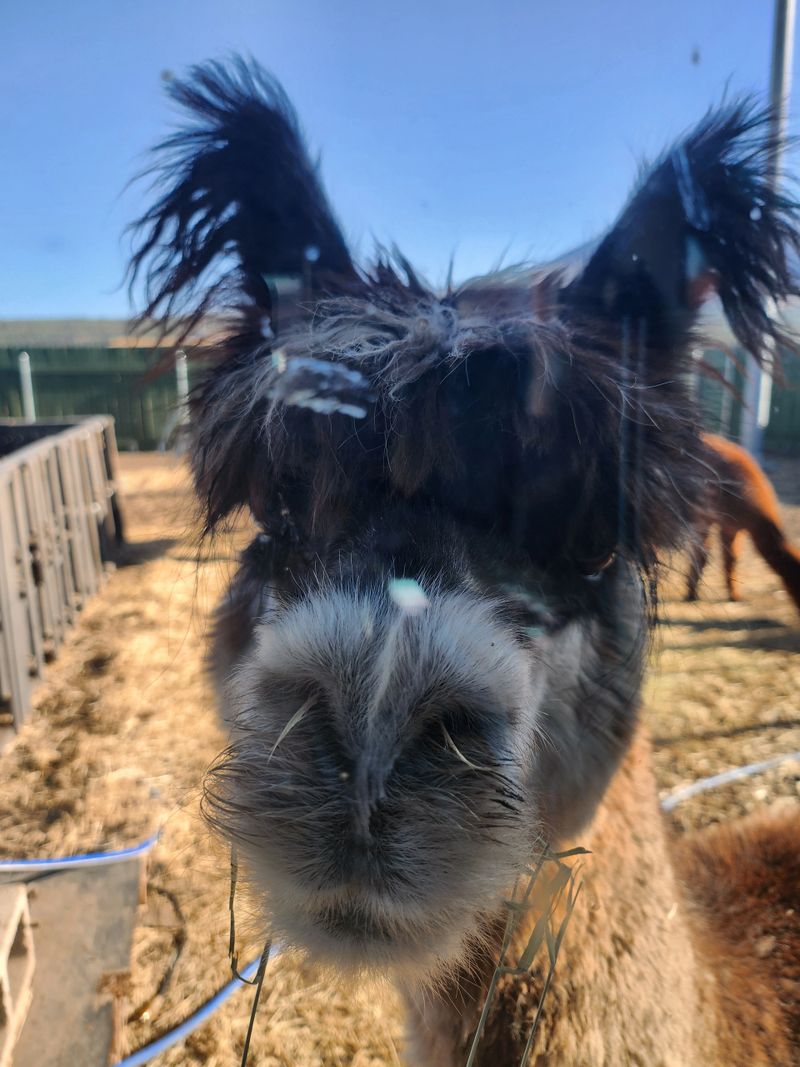
Let’s talk about poop! Yes, you heard right. Alpaca poop is a goldmine for farming and eco-systems alike. Unlike some other animal waste, this charming little nugget is dry, pellet-like, and oh-so-easy to handle. It’s an eco-friendly fertilizer that can nourish your garden while enriching the soil without the squishy mess. Can you believe these affable fluffballs are contributing to sustainable farming just by doing their thing? Explore how alpaca poop can help your plants thrive and why it’s a biodegradable wonder!
Alpaca compost is a nutrient-rich, natural soil amendment that helps create healthier, more productive gardens. Unlike many other animal manures, alpaca compost is often considered “cool,” meaning it is less likely to burn plants due to its balanced nitrogen levels. It improves soil structure by increasing aeration, boosting moisture retention, and encouraging beneficial microbial activity that supports strong root development. Rich in organic matter and essential nutrients like nitrogen, phosphorus, and potassium, alpaca compost helps plants grow stronger, produce vibrant blooms, and yield healthier fruits and vegetables. It is also low-odor, easy to handle, and environmentally friendly, making it an excellent sustainable choice for gardeners of all experience levels.
Using alpaca compost in your garden is simple. For established garden beds, spread a 1–2 inch layer over the soil and mix it into the top 6–8 inches before planting. For potted plants, blend one part compost with three to four parts potting soil to enrich the growing medium. As a top dressing, sprinkle a light layer around existing plants and water thoroughly to allow nutrients to soak into the soil. For best results, let fresh compost age for several months before use, giving it time to break down fully and maximize its benefits for healthy, thriving plants.